Japandi is an interior design style born from the subtle fusion of Japanese aesthetics and Scandinavian design philosophy. Rather than emerging suddenly as a defined trend, Japandi is the result of decades of cultural and design exchange between the two regions. From Japan, Japandi embraces the philosophy of Wabi-sabi—a celebration of simplicity, natural beauty, imperfection, and the authentic character of materials. Scandinavian design, meanwhile, contributes a strong emphasis on functionality, comfort, natural light, and warmth, creating spaces that are minimalist yet inviting and livable. What brings these two cultures together is the shared belief that a beautiful space does not need to be filled with details, but instead should be carefully balanced, harmonious, and composed of elements that each serve a meaningful purpose.
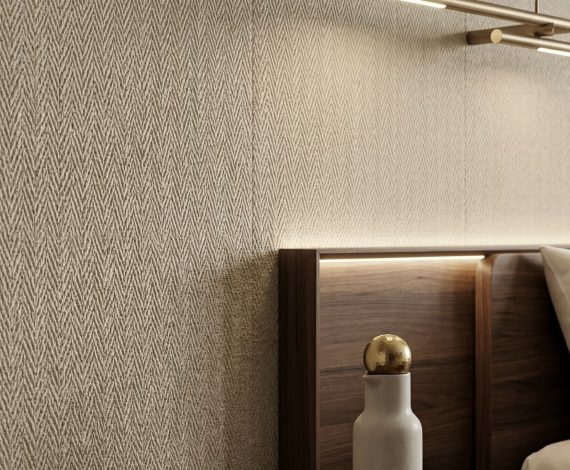
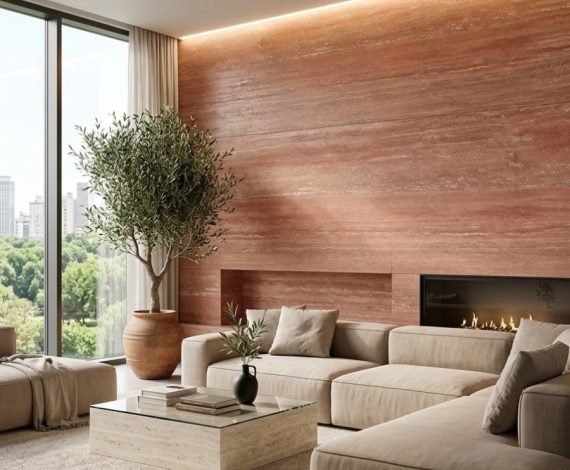
In Japandi, minimalism does not mean emptiness. Rather, it is the thoughtful process of selecting only what is truly necessary and meaningful. Natural wood, stone, bamboo, rattan, linen, ceramics, and other handcrafted materials are often used to create a sense of authenticity, warmth, and connection to nature. The color palette typically revolves around neutral tones such as beige, cream, warm wood, gray, black, and muted earthy greens. These colors are combined with natural light to create a calm and serene atmosphere. Furniture is characterized by clean, refined lines, while particular attention is given to proportion, materiality, craftsmanship, and functionality.
Today, Japandi is more than simply an interior design trend; it represents a way of thinking about how we experience and inhabit a space. It seeks to create a balance between aesthetics and functionality, minimalism and comfort, modernity and a connection to nature. Through its restraint, subtle elegance, and emphasis on timeless materials, Japandi has become a distinctive design language that continues to influence contemporary interiors around the world. It is particularly suited to spaces that prioritize tranquility, intimacy, simplicity, and lasting value.
Lorem ipsum dolor sit amet, consectetur adipisicing elit, sed do eiusmod tempor incididunt ut labore et dolore magna aliqua. Ut enim ad minim veniam, quis nostrud

2 Comments
Lorem ipsum dolor sit amet, consectetur adipisicing elit, sed do eiusmod tempor incididunt ut labore et dolore magna aliqua. Ut enim ad minim veniam, quis nostrud
Lorem ipsum dolor sit amet, consectetur adipisicing elit, sed do eiusmod tempor incididunt ut labore et dolore magna aliqua. Ut enim ad minim veniams